The Biggest Tax Mistake Business Owners Make
April rolls around. You gather your documents. You send everything to your CPA. A few weeks later, you get a number that makes your stomach drop. You pay it, grumble about it, and don't think about taxes again until next year.
Sound familiar? You're not alone. And it's costing you real money.

The Once-a-Year Trap
Here's the problem with only thinking about taxes during filing season: by the time you're looking at last year's numbers, every decision has already been made. Every purchase timed (or not timed). Every retirement contribution funded (or missed). Every estimated payment made (or skipped).
Filing season is the finish line. But the race happened all year. If you only showed up at the end, you didn't compete. You just watched the results come in.
The moves that actually save money, the ones that reduce your bill by $10K, $30K, or more, happen in Q2 and Q3. Not Q4. Not April. The middle of the year is where strategy lives.

What You're Missing by Waiting
Estimated payment adjustments. If your income is higher or lower than expected, your quarterly estimates should reflect that. Overpaying ties up cash you could use in the business. Underpaying triggers penalties. Neither is ideal, and both are avoidable with midyear check-ins.
Income timing. Can you defer an invoice to January? Accelerate one into December? These decisions shift taxable income between years, and they only work if you're paying attention before year-end.
Expense acceleration. Need new equipment? Planning to prepay insurance or rent? Doing it in December vs. January changes which tax year gets the deduction. But you need to know your projected income to make the right call.
Retirement contributions. Solo 401(k) and SEP IRA contributions have deadlines, and some require setup before December 31 even if you fund them later. Miss the window and the opportunity is gone for that tax year.
Entity changes. S-corp elections, for example, can only be made at certain times of the year. If you wait until April to realize you should have elected, you've lost a full year of savings.
The 12-Month Tax Planning Calendar
Here's what proactive tax planning actually looks like across a year:
Q1 (January-March): Review last year's results. Finalize entity elections. Set income projections for the new year. Adjust estimated payments based on expected growth.
Q2 (April-June): File prior year return. First midyear check-in: compare actual income to projections. Identify early opportunities. Adjust strategy if business is ahead or behind plan.
Q3 (July-September): This is the power quarter. Enough data to project full-year income accurately. Make go/no-go decisions on retirement plans, equipment purchases, and year-end moves. Adjust estimated payments.
Q4 (October-December): Execute. Fund retirement accounts. Make planned purchases. Finalize income timing decisions. Confirm estimated payments cover projected liability. Enter January with zero surprises.
Why Quarterly Check-ins Change Everything
When you review your numbers quarterly, three things happen:
You catch problems early. An unexpected spike in income? You have three quarters to respond instead of scrambling in April.
You make better decisions. Knowing your projected tax liability helps you decide whether to hire, invest, or save.
You eliminate surprises. Your April tax bill becomes a number you already know, already planned for, and already set aside cash to cover.
The business owners who pay the least in taxes aren't smarter or wealthier. They're just paying attention more often.
The Cost of Being Reactive
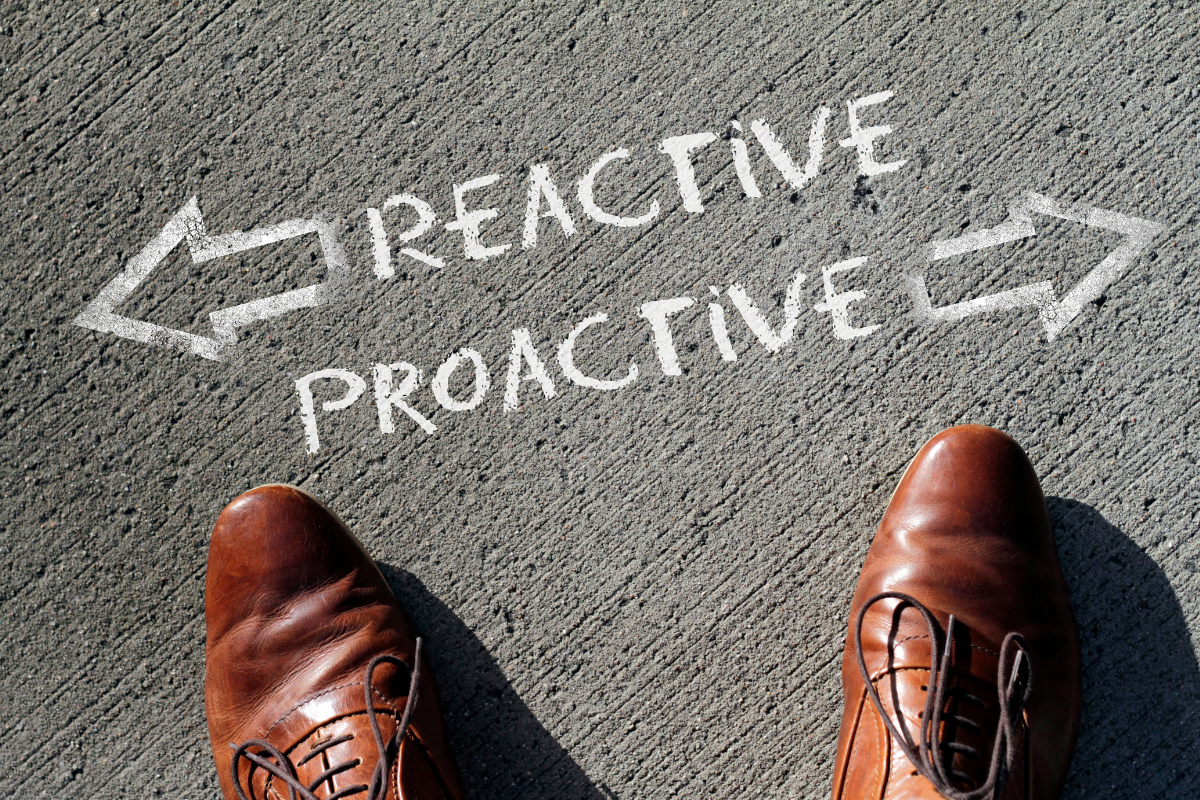
Every year you treat taxes as a once-a-year event, you leave money on the table. Conservatively, a business owner making $200K+ who doesn't plan proactively is overpaying by $15K-$40K annually. Over five years, that's $75K-$200K that could have been reinvested, saved, or taken home.
That's not a rounding error. That's life-changing money.
The Bottom Line
Tax planning is a 12-month game. Filing is just the last step. If the only time you think about your tax bill is when it arrives, you've already lost the ability to change it. Start treating taxes like what they are: your single largest expense, and one you can actually control.
👉 Check out our website: https://dynamictaxcfo.com/home